Use cases
Every kind of group decides.
The rules differ; the problems are the same. Pick the kind of group that is yours.

For companies
Board decisions with a record nobody can quietly edit.
Read more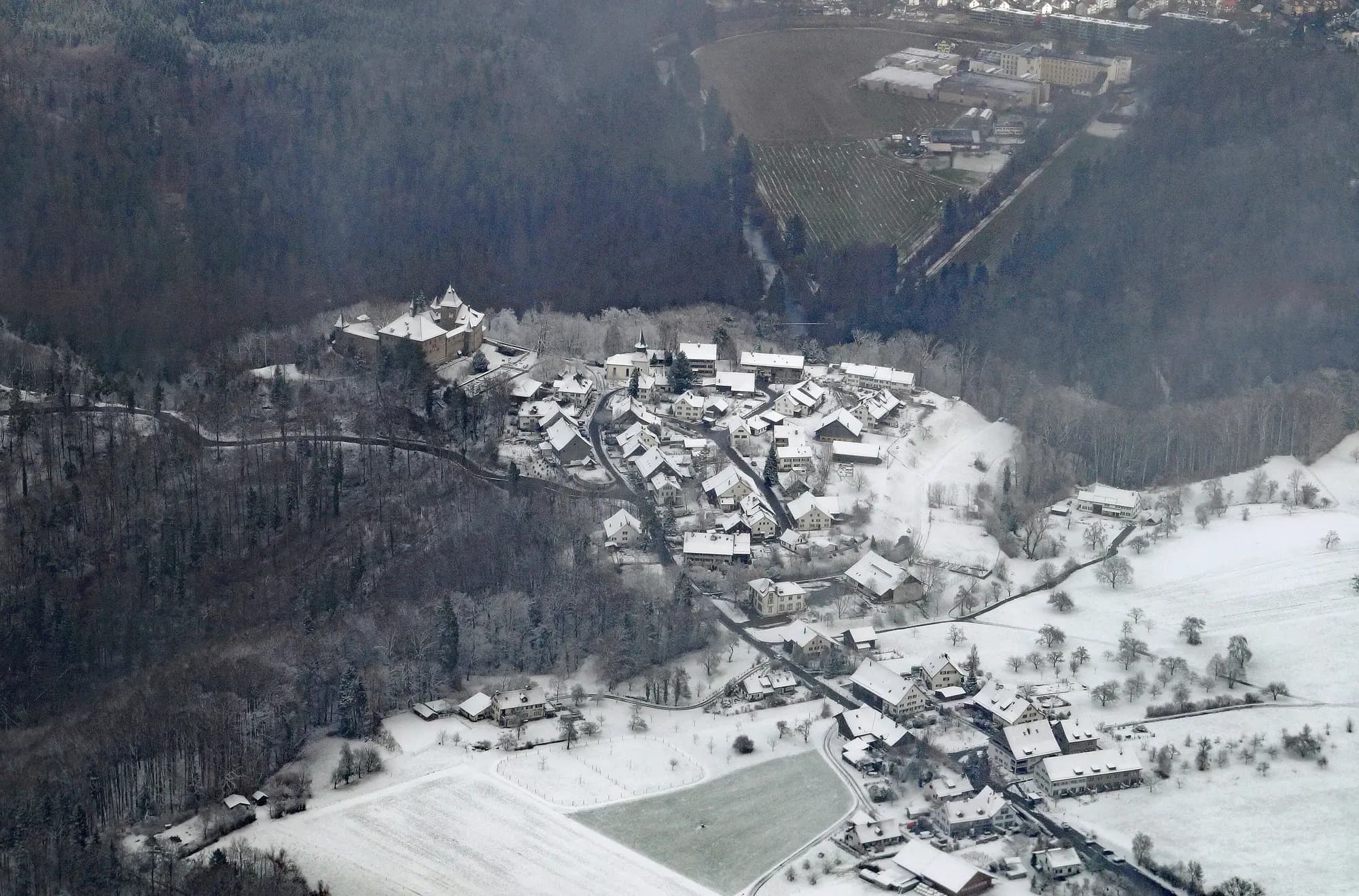
For villages and towns
An assembly anyone can join. A budget anyone can read.
Read more
For associations and co-ops
The general meeting, done properly — with half the work.
Read more
For communities
Fair rules and an open record from day one.
Read more
For network states
Governance infrastructure for a new kind of country.
Read moreHow Solon differs by group
The same engine; different defaults. Every default is a starting point your group changes by vote.
For companies
- Who decides
- Directors and shareholders, weighted by shares where your articles say so
- Typical decisions
- Budgets, appointments, policies, capital
- How votes are counted
- Majorities and quorums from your articles
- Money
- Company accounts, reported against decisions
- The law around it
- Company law and your articles; Solon is the record behind your resolutions
For villages and towns
- Who decides
- Every resident with a seat
- Typical decisions
- Budgets, local rules, building projects
- How votes are counted
- Majority with a quorum; ranked choice between several options
- Money
- The community's accounts, open to every resident
- The law around it
- Municipal and cantonal law decide the official vote; Solon runs the consultation and the books
For associations and co-ops
- Who decides
- Members, one seat each
- Typical decisions
- Board elections, accounts, fees, statutes
- How votes are counted
- Simple majority; a higher bar for the statutes
- Money
- The association's accounts, approved at the general meeting
- The law around it
- Your statutes and association law (in Switzerland Art. 60 ff. Civil Code)
For communities
- Who decides
- Members, one seat each
- Typical decisions
- Codes of conduct, shared funds, admissions
- How votes are counted
- Consent for small teams; approval or ranked choice as you grow
- Money
- A shared fund, open to all members
- The law around it
- Usually informal; you choose whether and when to become a legal entity
For network states
- Who decides
- Members worldwide, each place governing itself too
- Typical decisions
- Admissions, crowdfunding, places to build, the constitution
- How votes are counted
- Chosen by the community and changed by vote; signed votes for what matters most
- Money
- Open treasuries and crowdfunding through OrangeCat
- The law around it
- Every member still lives under the law of their place; recognition is a political path